By Harper Cleves
“I’ve become a rabble rouser in my retirement.”
This is what my 65-year-old father said to me on the phone after attending a ‘No Kings’ protest on 28 March in rural Idaho, with around 500 other locals.
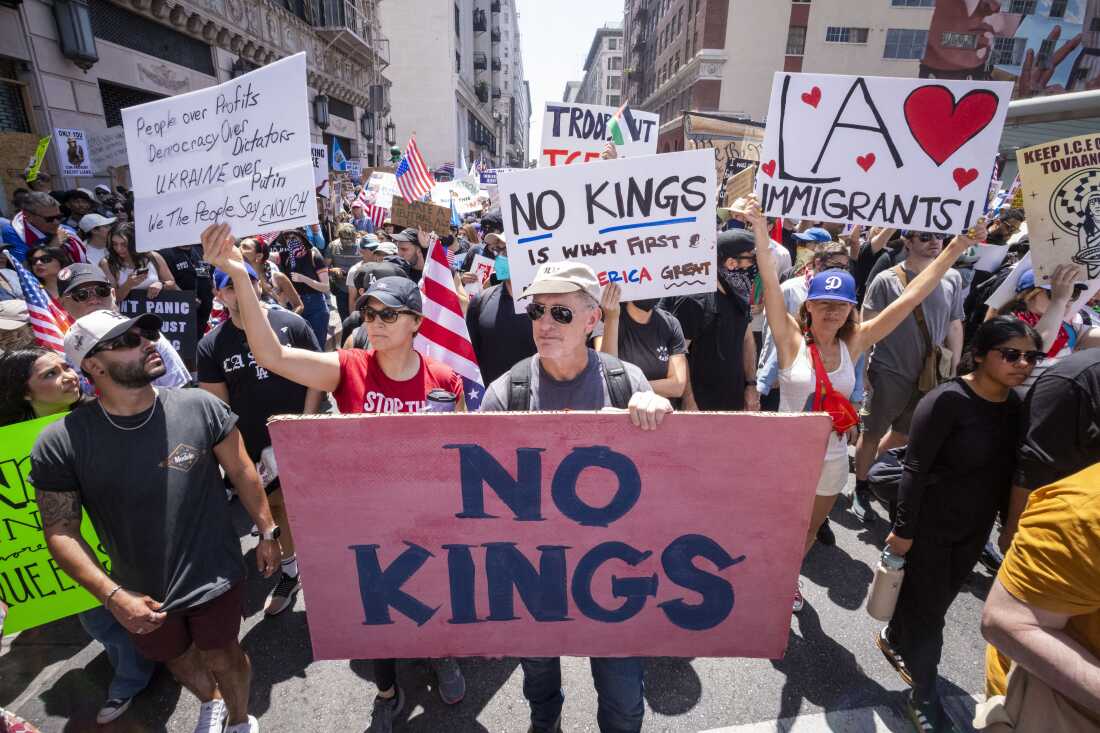
He is not unique in this respect: 3,300 known No Kings protests took place across every state, and it is estimated that over eight million people across the US attended a protest.
In Minneapolis and St Paul, the flagship event of the day, organisers predicted that more than 200,000 people marched.
Reasons for marching
Anger at immigration raids and ICE occupation, opposition to the war in Iran, the cost of living, and a general concern about the future of democracy were among the main reasons protesters gave for attending No Kings marches and rallies.
Some of the reasons protesters gave for attending the protests include the following:
• Tom Arndorfer, at the Minneapolis protest, started attending protests after Renee Good was shot. He was protesting because “democracy is under threat.”
• Tooraj Modrass, at the Los Angeles protest, protested to oppose the US and Israel bombing Iran.
• Riz Hortega, Chicago, showed up because she wants ICE abolished.
• Theresa Gunnell, Los Angeles, marched because of inequality. “All Trump is doing is … making himself wealthy while taking away from regular Americans.”
• Jennifer Wilkens, San Diego, said she was at the rally because, “I recognize fascists when I see them.”
• John Moes, protesting in Minneapolis, said he was marching because, “Prices are going up, and it feels like we can’t even afford to live anymore.”
Trump and GOP at risk?
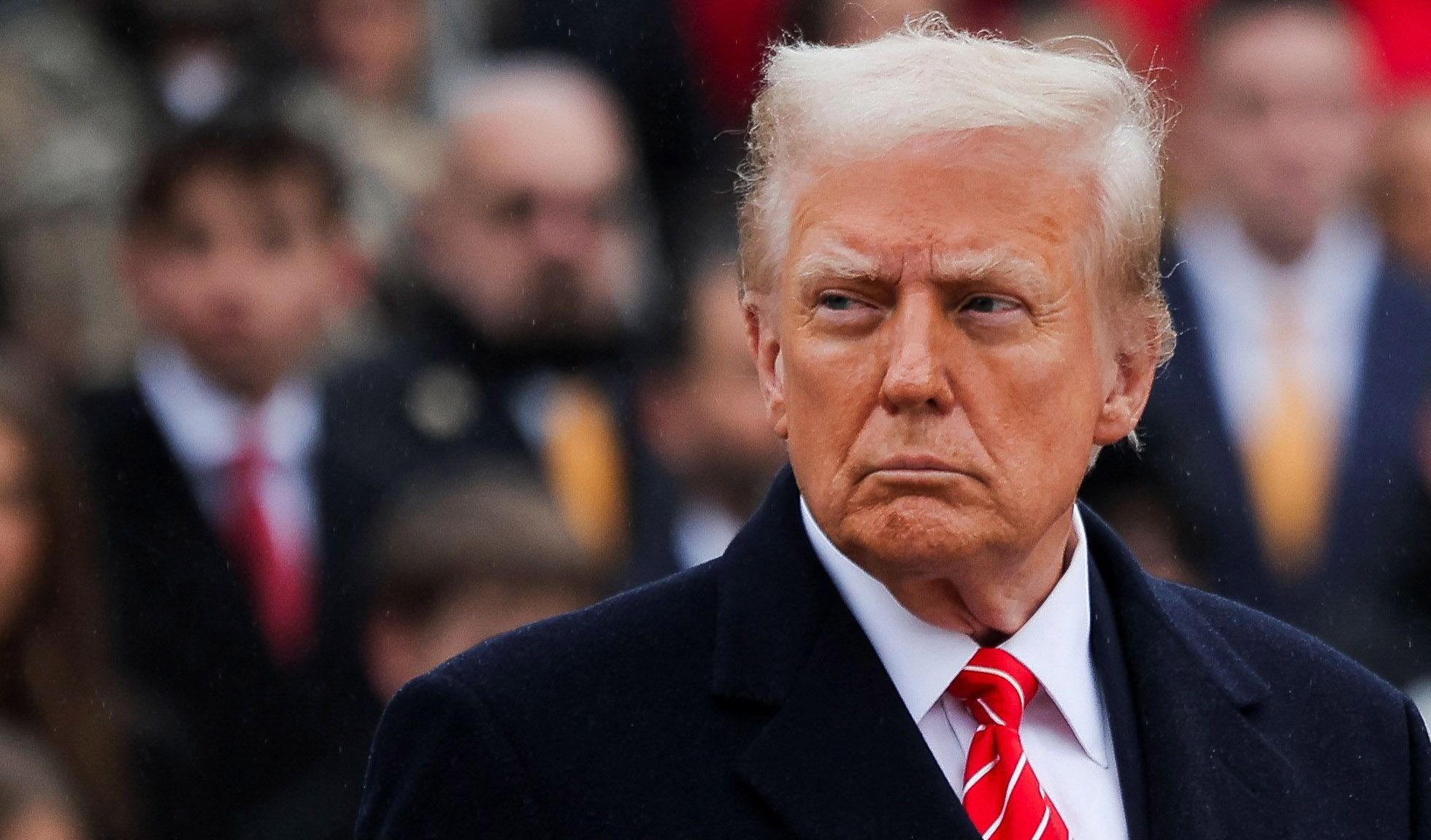
The White House has dismissed the significance of these rallies, characterising them with open mockery. On the Thursday preceding the marches, Abigail Johnson, a White House spokesperson, said in a statement that, “The only people who care about these Trump derangement therapy sessions are the reporters who are paid to cover them.”
This confidence rings hollow when confronted with the facts. Last week, Trump’s approval ratings reached a new low of 36%. Only 25% of respondents to the survey approved of how Trump has handled the cost-of-living crisis, as gas prices have soared since the US and Israel began bombing Iran.
Notably, improving the cost of living and an end to wars were key campaigning issues for Trump in his presidential bid. Only 29% approved of his stewardship of the economy, a lower approval rating than Joe Biden ever experienced over his tenure and a record low for any Republican President. An estimated 61% of those polled disapprove of the strikes on Iran, compared with 43% in a Reuters / Ipsos poll at the end of February.
Low support for imperialist adventure
These figures indicate the depth of turmoil that Trump is presiding over and exacerbating. Historically, war and invasion initially sees a boost in approval ratings for US presidents. George W. Bush had approval ratings between 70-75% after the initial invasion of Iraq in 2003. A month in, he was still enjoying approval ratings above 60-70%.
In the first months after Operation Desert Storm, which marked George Bush Senior involving the US in the Gulf War, his approval ratings soared to 84-88%.
When Eisenhower initiated the Vietnam War, a war known for the anti-war protests it would go on to inspire, his approval rating jumped from 57% to 73%.
The fact that at the outset of a war Trump’s approval ratings are so low may, to a certain degree, speak to a particular distaste for his open imperialist and megalomaniacal ventures. However, it also demonstrates the backdrop of crises in which this war was initiated. In addition to a pre-existing cost-of-living crisis, Trump’s ‘Big Beautiful Bill’ cuts basic public infrastructure on essential services for normal people living in the United States, such as Medicaid and Social Security.
The country has also seen over two years of Palestine solidarity protests, preceded a few years prior by the Black Lives Matter movement, which is largely responsible for thwarting Trump’s bid for re-election in 2020. Combine this with the fear instilled into ordinary people from ICE raids, crackdowns on protests, attacks on LGBTQIA+ rights and the naked erosion of democratic rights through racist gerrymandering and attacks on mail-in voting – and it’s not difficult to understand how this war is failing to muster the national chauvinism similar ventures have.
With midterm elections on the horizon this year, Trump’s abysmal approval ratings and the growing scale of protests in opposition against him could indicate Democratic victories come November. In one potentially indicative race last week, Democrat Emily Gregory beat her Republican rival, John Maples, in a special election for a seat in the state’s House of Representatives. This victory is particularly symbolic because the district in which Gregory beat out her Republican counterpart is home to Trump’s Mar-a-Lago. In 2024, the Republican candidate won by 19 percentage points.
Democrats are no alternative
Of course, in a real sense, the Democrats, another party of US capitalism and imperialism – which presided over a genocide in Palestine, and which, under Obama, created some of the family detention centres that have become focal points of Trump’s cruel immigration policy – do not offer a real alternative to the multitude of problems that plague ordinary people in their day-to-day lives. Even still, Democratic victories, particularly in battleground states at this early juncture, spell potential trouble for Trump and the GOP. The fact that a brown, Muslim socialist, Zohran Mamdani, was elected mayor in New York City, where Trump gained votes in every single borough in 2024, demonstrates that real left politics, which actually address the issues ordinary folk are facing, from housing, to childcare, to gender-affirming care – would have the potential to win over even more hearts and minds.
Protesters in the US are right to be wary of the fascist tendencies of Donald Trump; to oppose, vehemently, the authoritarianism he is attempting to foment. However, one key difference between the potential for fascism and fascism itself is the extent to which it is possible to fight back. As the No Kings protesters gathered in their millions across the United States, 500,000 marched the streets of London against the far right, particularly the racism of Reform UK. By no means are all of these people socialists or leftists; but they are people who refuse to accept the fascistic politics on display.
Continuing to organise this sentiment against far right politics, raising and fighting for a socialist programme that can offer real change to the lives of the world’s billions by breaking with this cruel and depraved capitalist system, deepening our struggle and strengthening our tactics, is what Solidarity aims to play a role in. Achieving a socialist alternative is not guaranteed, but it is eminently possible if we begin to get active and organised today.