By Ibitola Daniel
When it comes to the ‘The Fast Fashion Crisis’, the first thing to dismantle is the notion that it is a select few ultra-fast fashion online retailers who are responsible for the overproduction of clothes. In fact, we have a more general problem of overproduction of poor quality consumer goods, and all the waste that goes with them, which is a result of the reckless, profit-driven capitalist system. The system demands constant growth and profit, which inevitably comes to the detriment of both working-class lives and ecological harmony.
How were things in the past?
If we look to the past and reflect on how clothes were produced for centuries, there was a direct and more personal connection to how we dressed ourselves. Clothes were produced and manufactured by highly specialised, skilled workers in, local communities. Tailors made garments to fit the body, milliners made hats, and cobblers made and repaired shoes. The production of clothes was slow, local, and transparent.
The fast fashion model marks a stark shift in the approach to clothes production. As international retailers and high street shops arrived in Ireland in the 1980s and 90s, consumers began to buy more mass-produced clothing. Stores like H&M, Zara, and Penneys laid the groundwork for cheap and efficient, and exploitative manufacturing. They follow a vertical integration model, controlling design, manufacturing, distribution, and retail, allowing a fast turnaround in meeting ever-changing trend cycles.
This shift from slow to fast fashion undermined Irish tailoring. Trends began to matter more than craftsmanship; quantity came before quality, and clothes became disposable as prices fell. The 2000s and 2010s saw the proliferation of online ultra-fast fashion companies like PLT, Shein, and Temu. These multibillion-euro businesses have scaled the model tenfold, with Zara producing 20-25,000 new styles a year, while Shein produces 1-2 million new styles a year.
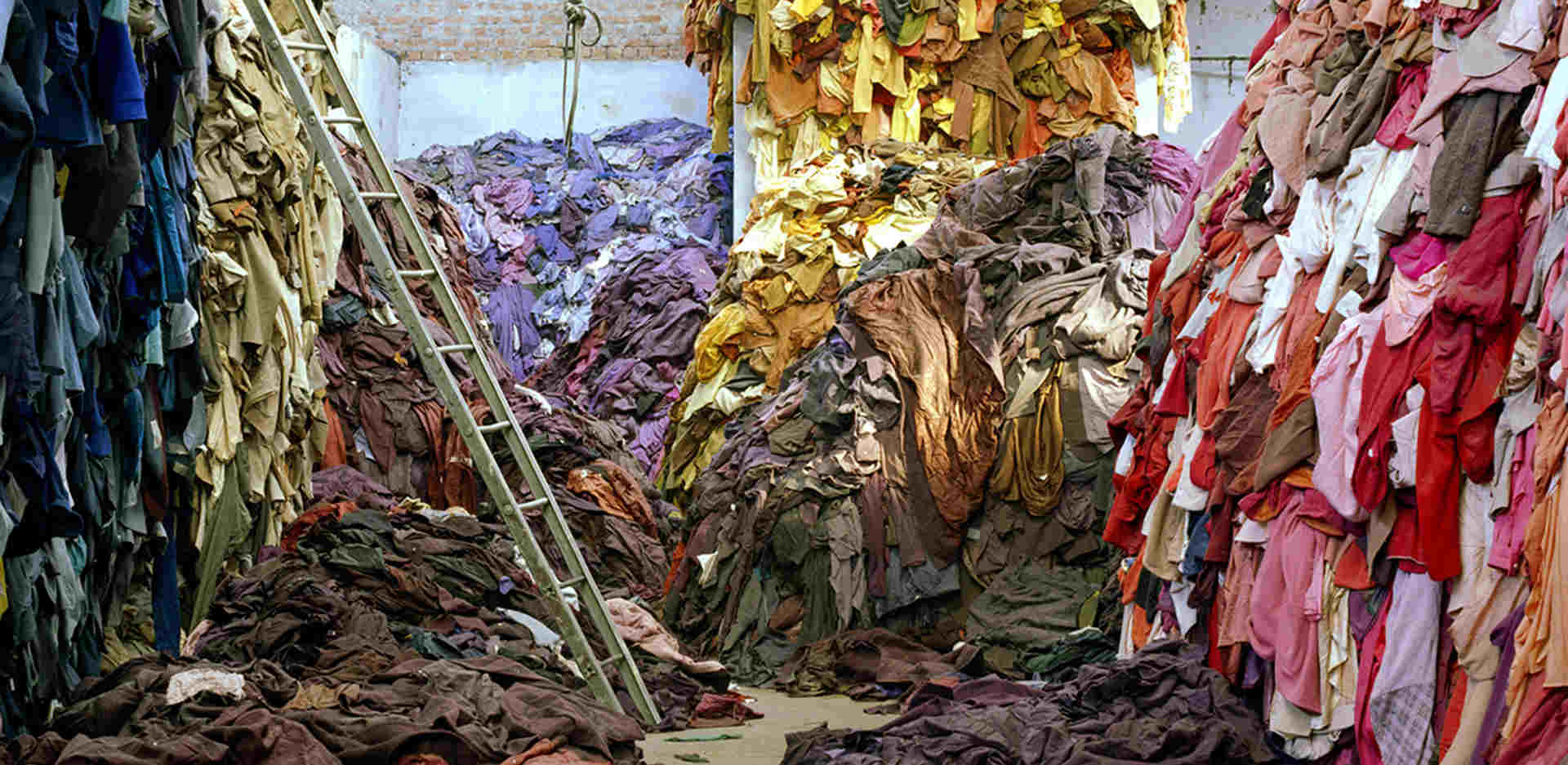
With such outputs, it is no wonder 92 million tonnes of clothing ends up in landfills annually. This reflects how consumerism fuels fast fashion, as constant trends drive overconsumption and wasteful overproduction.
Fossil capitalism
The capitalist mode of producing clothes was transformed with the advent of polyester. The shift from bespoke tailoring to mass-produced standardized clothing can be attributed to the development of synthetic fibres by oil companies in the 1930s. Big Oil fuels the fashion industry by providing petrochemicals from oil and gas, later converted into materials like polyester, nylon, and acrylic, which now account for around 70% of clothing.
The fossil fuel industry plays a major, but often overlooked, role in the fast fashion crisis. As demand for new clothes rises, extraction and fracking continues. Around 85% of garments end up in landfill or are incinerated, releasing greenhouse gases and toxic pollutants. Even washing clothes releases 500,000 tonnes of microplastics into the ocean annually, equivalent to 50 billion plastic bottles.
Workers’ rights
Today’s clothes production model can also be characterised as a form of imperialism, with environmental destruction, sexual and wage labour exploitation being central to it. Clothes production is extremely labour-intensive, and with every item made by hand, the fashion industry employs around 60 million people to produce 100-150 billion garments each year. It is astounding that each item is made by hand, yet less than 2% of garment workers earn a living wage. Many workers face unsafe conditions, long hours, and sexual violence.
Clothes for the West are largely produced in countries like India, Bangladesh, Vietnam, and Pakistan – nations historically shaped by colonialism. Companies based and operating in the Global North outsource production to the Global South due to weak environmental regulations, labour laws and low wages.
This economic and ecological exploitation is integral to the fast fashion model. The Global North exports textile waste to these same regions. Ireland discards 110,000 tonnes of textiles yearly, much of which ends up in countries already under environmental strain, contributing to further ecological damage.
A socialist alternative
Ecosocialist planning internationally offers a sustainable, democratic framework for clothes production and consumption. The circular economy is a method through which fast fashion can be gotten rid of, along with taking the fashion industry out of private hands, and into public ownership, under democratic control.
This would include ramping up supports for clothes being recycled and reused. Indeed, the scale of garment production today means that even if production stopped immediately, there would still be enough clothes in existence for the next six generations.
At the same time, there is a plethora of practices we can adopt that mean we aren’t fuelling an industry that causes great harm. We should be buying less first-hand clothes, looking to charity shops, vintage stores, online second-hand platforms, and swap shops. We should centre our consumption around the core principles of reducing waste, buying ethically, recirculating and repairing clothes.