By Solidarity reporter
Throughout the workday on Wednesday 18 November, FÓRSA facilitated three information sessions for civil servants, with presentations by FÓRSA officials. FÓRSA leaders, like the other union leaderships, are advocating a Yes deal.
The information sessions were not town halls. The union officials spoke of the merits of online sessions to address geographic spread. FÓRSA members were generally not given the opportunity to vocally raise their questions.
Dissatisfaction and unhappiness
In each meeting, roughly 1,000 FÓRSA members participated. One could guess that in each information session, more than 50 members typed questions and messages into the Microsoft Teams meeting chat. Overwhelmingly, the comments expressed dissatisfaction and unhappiness about the pay deal.
Recurring complaints were that it doesn’t match inflation and that local bargaining figures are not reliable, as there are many outstanding local bargaining claims from previous agreements. It was also raised that the clause allowing negotiations to recommence if the economy nosedives carries potential dangers for wage protection, and that union leadership made a blunder by not taking mass disruptive strike action on Thursday, 12 November, when the EU presidency took place in Dublin. FÓRSA estimated that 50,000 people the Monday before the action had signed up to attend a protest, a clear indication of workers’ willingness to take action.
There is clearly a widespread “Vote No” sentiment developing. Workers are crushed under the cost-of-living costs. Deeply personal accounts of how the cost-of-living crisis is destroying workers’ lives were shared via the Teams Chat.
This government is widely hated. It has been put on the back foot twice this year: first with the fuel protests, and second with conceding a 3% increase in the pay offer put on the table after the first public sector strike day.
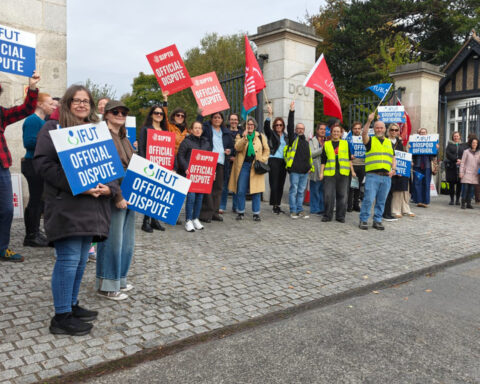
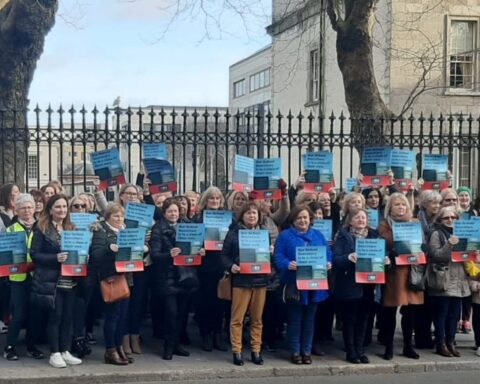
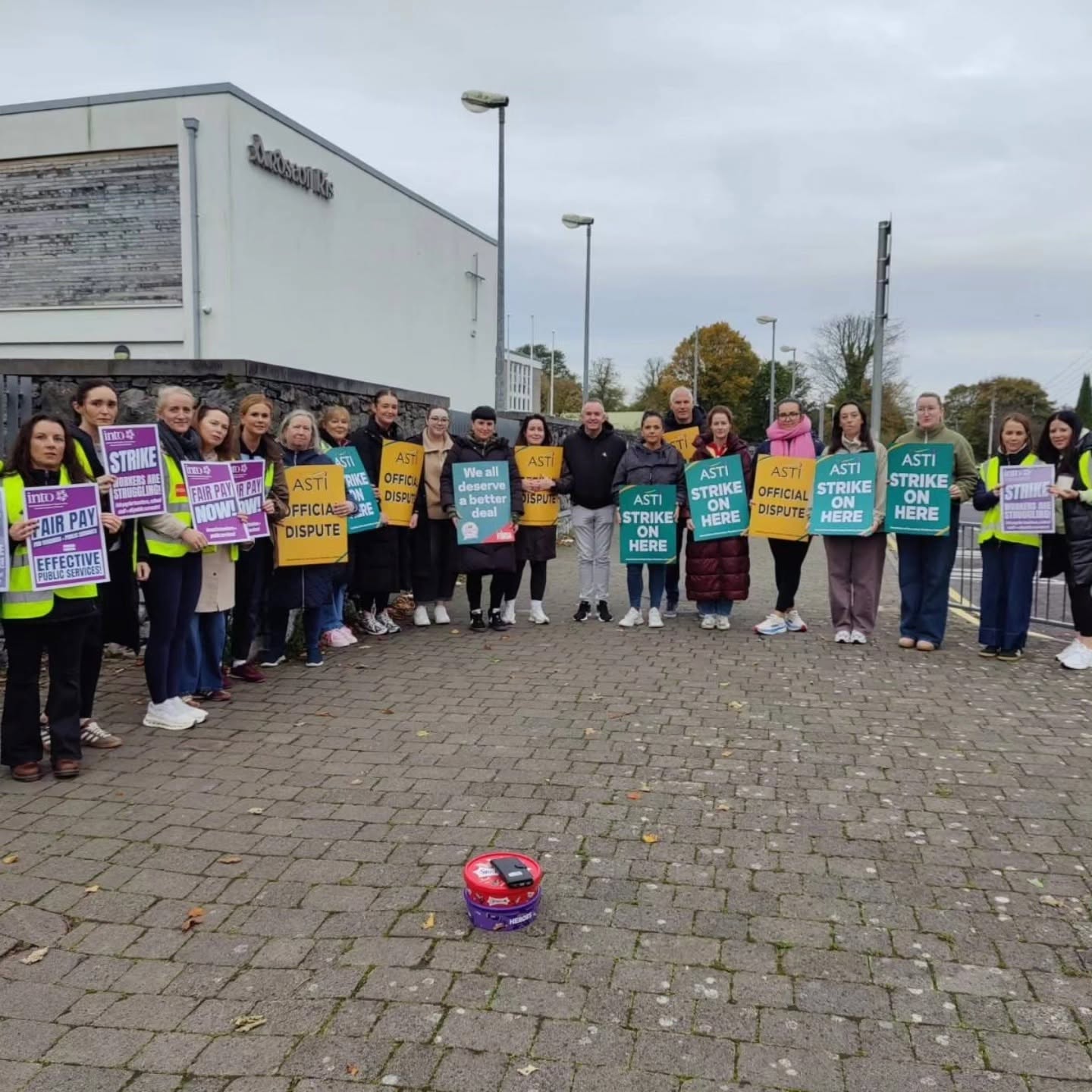
The union leadership is quick to take a defeatist approach, saying this is the best deal delivered and that there is a danger of a worse deal being proposed if this one is not accepted. What they are quick to forget (or omit) is that a rising public sector strike wave would fundamentally convulse the economy and society at large in this country.
They are still sticking to the social partnership model. This means looking at this anti-worker and right-wing government as our “partners” and refusing to mobilise the power of workers in strike and struggle. It has only resulted in pay restraint and, in the case of the last pay deal, wage cuts.
A No vote would be a real blow to this government and could be a stepping stone to build the fightback we need. To restate a very important point: this government is hated, and a wave of public sector strikes could put it over the barrel and wrest meaningful concessions from it. They are sitting on a budget surplus of €9 billion, while Ireland’s 11 richest billionaires have €46 billion in wealth.
A Vote No strategy needs to be developed. Those who commit to vote no need to start discussions within their branches to appeal to undecided public sector workers and build support for the No Vote. The No Vote needs to outline the fundamentals of what it is for and against across branches. Demands that could be mainstreamed by a No Vote are as follows:
- No to this poor and below-inflation pay deal. Organise in workplaces and union branches to mobilise a No vote and make the case for undecided workers.
- No to a reliance on untrustworthy local bargaining mechanisms! No to using AI to undermine workers’ rights and conditions.
- Yes to a double-digit and inflation-busting pay rise–fuel, rent and food prices are skyrocketing.
- Yes to a fighting, democratic trade union movement that organises workers in both the public and private sectors. This is crucial in the context of the impending economic crisis, where we will once again be made to pay the price.
- Yes to a trade union movement that fights on pay and all the key issues such as the housing crisis, opposition to data centres, racism, the rising far-right and the genocide in Palestine. This should be linked to building a new working-class movement in Ireland that opposes the rule of capitalism.