By Finn McKenna
It’s very clear that the tension is rising in our society. Increasing cost-of-living and spiralling inflation have been the root of much of the alienation, angst and suffering that is increasingly generalised for most working-class people.
Unprecedented developments have occurred in Irish society this year, most notably the fuel protests in April. The fuel protestors were not representative of a working-class constituency; the base of the protestors was made up of hauliers, farmers and agricultural contractors – a rural middle-class movement. What was unprecedented was the level of societal disruption that this protest wave was able to affect. From blockading the main street in Dublin City centre to slowing down the flow of traffic on the country’s main national roads to the disruption of the supply and purchase of vehicle fuel, the fuel protests were very effective from the viewpoint of material impact on the economy and society at large.
What drove the fuel protests was the skyrocketing cost of fuel resulting from imperialist Trump and his regime launching their colonial assault on Iran, with the Iranian state responding by using its geographical proximity to the Strait of Hormuz to shut down the export of cargo and fuel from the Gulf to the rest of the world – a fine example of leverage. What happens in Iran reverberates through life in Oughterard, and fuel insecurity on the world market naturally impacts the cost of living in this country.
The industrial leverage of the fuel protestors wrested a new emergency support scheme from this government. The average payment per farmer for fuel relief will be around €650, while the average payment per contractor will be €6,000. This is a clear example of how industrial weight, when utilised in an economic struggle, can force concessions from the government of the day.
Trade union movement needs to act
All those with eyes and ears understand that the trade union officialdom in this country has enthusiastically and generally embraced industrial peace since the establishment of social partnership in the late 1980s and early 1990s.
Social partnership has its origins in the late 1980s, in the aftermath of the defeat of the Miners’ Strike in Britain between 1984-1985, when the leadership of the trade union movement drew all the wrong conclusions from this titanic battle. In essence, they believed that a strategy based on industrial action and mobilisation of the power of the organised working class was doomed to failure. They embraced an outlook based on industrial peace in exchange for minimal wage increases and looked upon the bosses, the government and the institutions of the state as their partners.
This was combined with an approach that drastically undermined rank-and-file trade unionism and power on the shop floor. It also reflected that the leaders accepted the logic of neoliberal capitalism in the aftermath of the collapse of the Stalinist regimes in 1989-1991 and the attacks on the working class globally that accompanied it. Over the course of the 2010s and 2020s, the trade union movement has become increasingly irrelevant, with falling union density and a lack of industrial battles following the 2008 economic crisis and, more recently, the cost-of-living crisis. It is no coincidence that some of the major battles of working-class and oppressed people during the 2010s, such as water charges and Repeal, took place outside of the official structures of the workers’ movement.
Fast forward to today, and the union movement and its officialdom are experiencing something of a wind of change. Neoliberalism, rooted in globalisation, has degenerated due to the increasing economic Victorian imperialism of the US Empire. We are in an era of capitalist crisis and catastrophe. The far-right is rising – it is organising pogroms on this island, imperialism is unleashing genocide on the Palestinian people, and the AI billionaire’s system is guzzling our natural resources to fuel their AI slop clouds kept in their data centres. All the while, our government sits on record surpluses thanks to windfalls generated through tax loopholes from the US multinationals.
In 2022, we previously wrote how the Building Momentum pay deal would not deliver for public sector workers, predicting that inflation would gobble up the pittance pay percentage increases. We reiterated the point at the time of the vote for the Public Service Agreement. Ahead of both votes, FORSA HQ endorsed both agreements and strongly advised their members to cast yes votes. In both instances, more than 90% of workers who voted for it did so, largely due to the absence of a strong rank-and-file union base that was able to argue a convincing case for a real inflation-busting pay deal.
A lot has happened since voting on the Public Service Pay Agreement, and a lot has gotten worse for workers since.
Potential Industrial action looms
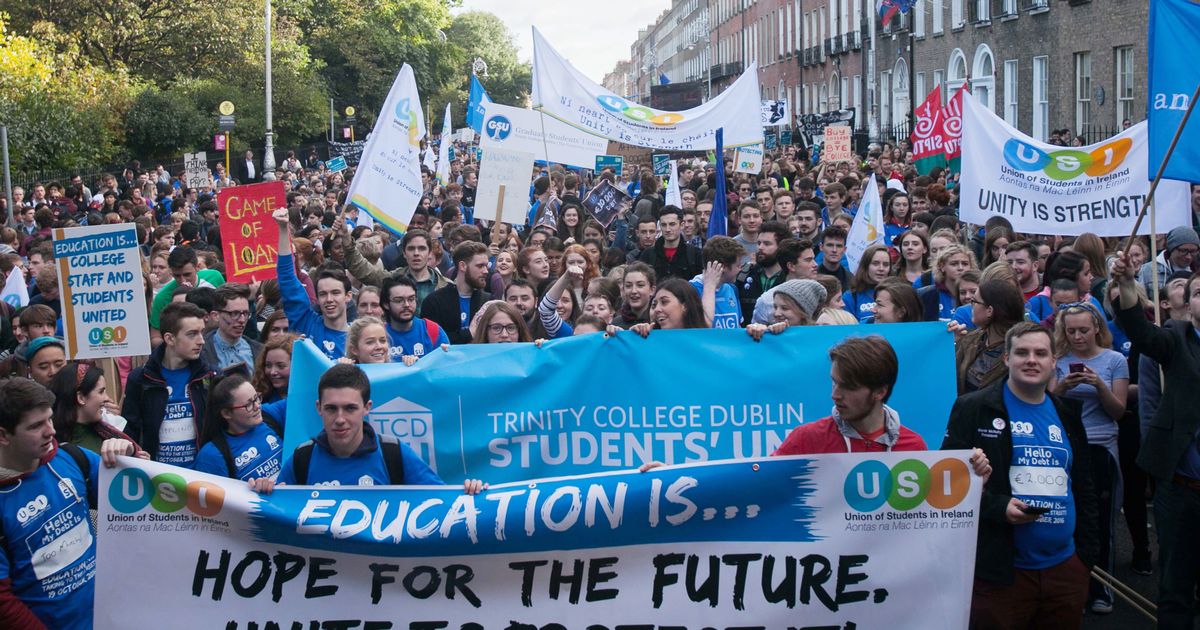
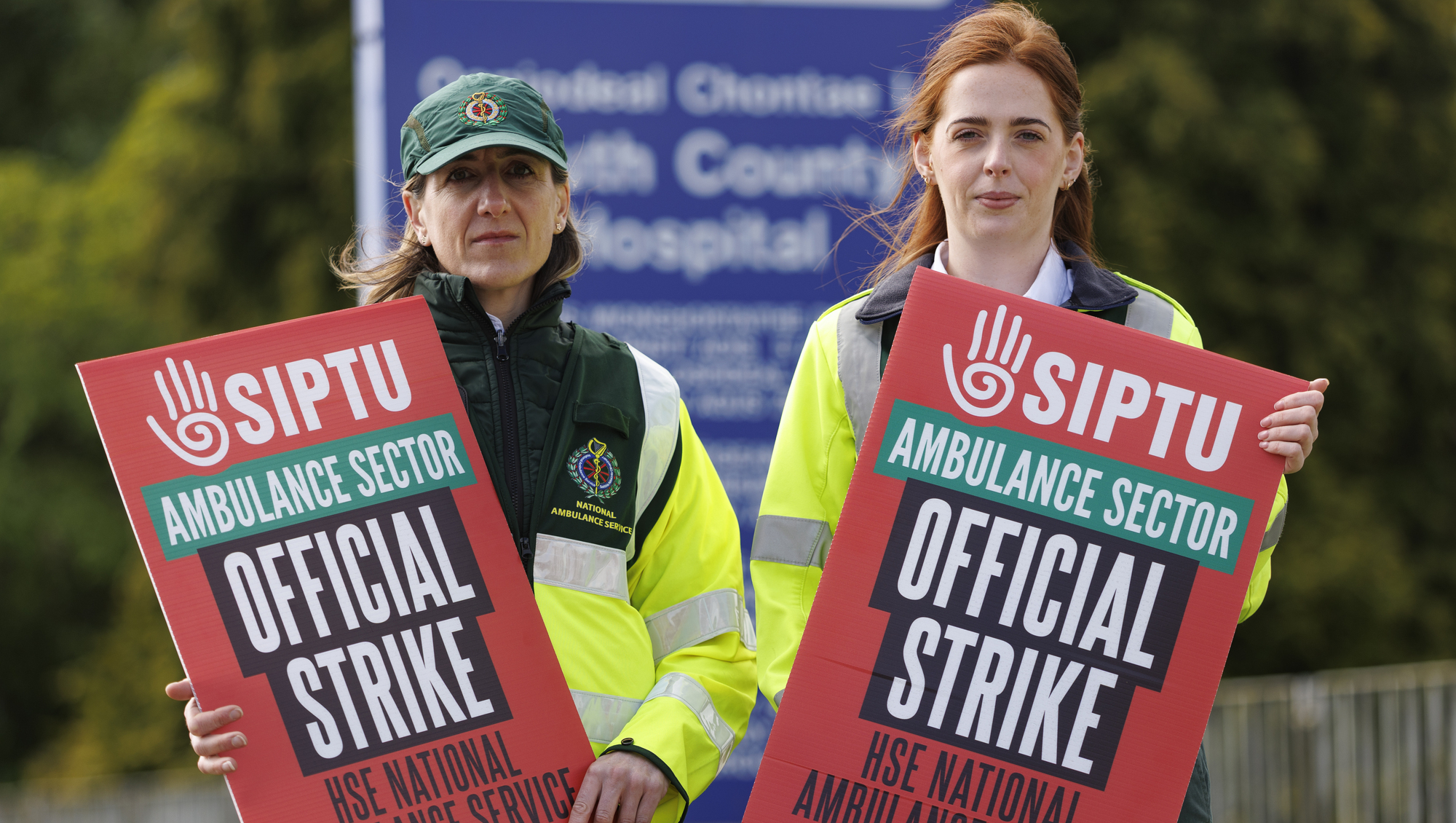
In part humiliated by the success of the fuel excise protests, in part frustrated by the hard ball methodology of the Department of Public Expenditure and Reform, in part fearful of the dynamic of the far-right in Irish society and in part concerned about how they are viewed by their membership, the trade union leadership in this country across the Irish Congress of Trade Unions are getting ready to ballot their public sector membership for industrial action. The last time that civil servants went on strike was 2009. 17 years is a long time, which again speaks to the scale of the tension in our society.
The Public Service Agreement 2024-2026 expired in June, and at the time of writing there is no industrial peace clause between the unions and their employer. While the unions tried to present the previous 2024-2026 deal in a favourable light ahead of time, they are now reflecting on the fact that “between 2021 and 2025, when the last two pay agreements were in place, basic pay increases added up to close to 16% but average annual inflation over the same period was close to 21%. That means that your purchasing power is shrinking in real terms, so you’re working for less.” A noteworthy change of tone! In addition, featured in the industrial ballot FAQs, FORSA HQ have hammered home that “The 1% pay increases in February and June have been wiped out by inflation, which was running at 3.6% in May.”
In the last few months, 50,000 public workers signed the Better Deal pledge – which was basically an endorsement of the need for workers to secure a pay agreement that protects standard of living, with pay increases for this year, next year and any other years covered by an agreement.
That means the union are (in words so far) committed to a deal which takes inflation into account, sees the resolution of local bargaining claims, protection of flexible work, and enhanced investment in public services.
Get organised!
At the beginning of August, civil servants and public sector workers organised with FORSA will be balloting for industrial action. Industrial action can mean tactics such as lunchtime protests and, at most, strike action.
Public sector workers, should they go on strike action, can pull the strike lever in the middle of Ireland’s hosting of the European Union’s Presidency. This is significant, as it could potentially force the government to concede a deal so to save face in front of their EU technocrat visitors. Imagine, firstly the scene of picket strikes outside the government’s civil service departments at Stephen’s Green and Dublin Castle should strike action be called for September time, then imagine the grimaces of Jack Chambers, Micheál Martin, Simon Harris and co.
Solidarity is calling for a clear vote for industrial action. Pay is a key motive to go on strike, but there is also a greater proposition. For workers to feel their strength as a class, experience of strike action is necessary. Practically, it can terrify the government and send a signal that workers are now willing to engage in strike action in a more general way than at any other time in decades.
To maximise leverage, workers need to get ready to
- Recruit your non-unionised colleagues to the union to build density, super majorities are the goal!
- Arrange for branch discussions in their workplaces to test the enthusiasm that exists for strike action
- To make preparatory action for a strike committee
In this round of public sector pay negotiations, Solidarity calls for inflation-busting cost of living pay increases. This demand must be front and centre in any agreement: workers must not be forced to take de facto pay cuts due to the raging cost of living crisis. There must also be an end to the attack on working from home, which has proven a lifeline for so many workers.
We make the wider point that such economic struggles are inherently political struggles. That the employer is the state itself speaks to this point. If Fine Gael and Fianna Fáil want to bend the knee and kowtow to the vulture funds and US multinationals fine, that’s to be expected. But they should also expect the working-majority will increasingly become fed-up with the wealth and social inequality that capitalism inevitably reproduces as it worsens. Vote for industrial action with your ballot yes, but also take this opportunity as a chance to enter the socialist movement today.