By Michael O’Brien
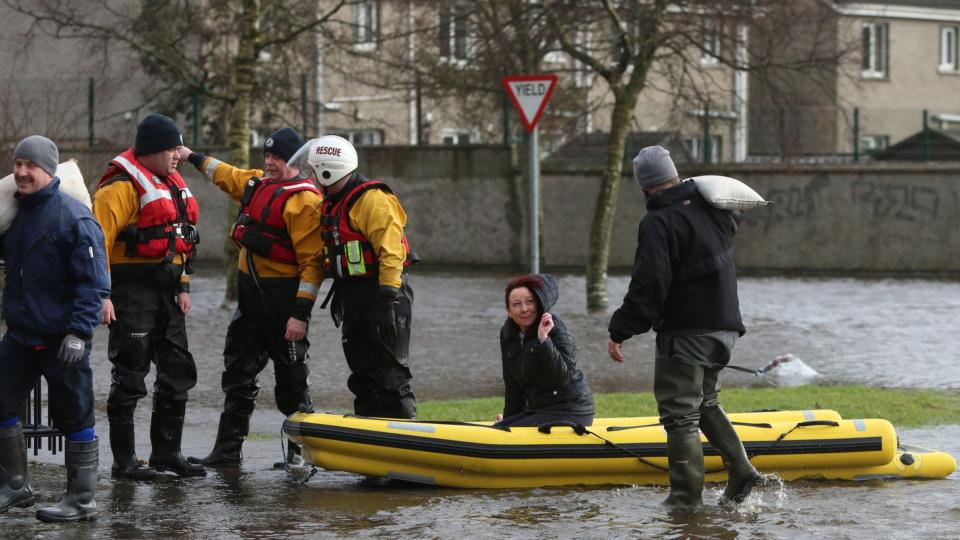
The ever-increasing frequency and intensity of extreme weather events, especially storms and floods, and the implications for workers has put the questions about who pays during enforced shutdowns of workplaces or workers opting for health and safety reasons not to travel to work.
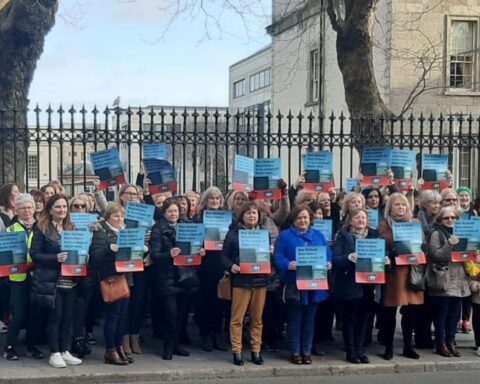
Unite the Union released the results of its survey, titled Workers in the Eye of the Storm, based on over 1,500 responses from members in both the North and the South.
Weather warnings ignored
The findings were launched at press events, which were addressed by the father of Matthew Campbell and electrical engineer and Unite member who lost his life when a tree fell on him and a colleague during storm Ali in 2018. Subsequently, in court, Matthew’s employer, Lagan Construction Ltd, and Newry Mourne and Down District Council were both fined £50,000 for effectively ignoring the red weather warning issued by the Met Office at the time.
This should have been a turning point, with proper arrangements in place to prevent workers from being put at unnecessary risk. Yet only 16% of members surveyed in the North reported that their employer had an extreme weather policy in place.
The overarching theme in the surveys is that employment law and employer-level policies have not kept pace with the realities of climate change, which are being felt each year on this island.
Yet even when a storm hits a significant portion of employers proves incapable of improvising any kind of arrangements. Some 27% of those surveyed in the South said they received no timely information from their employer about arrangements for working from home during the last Red weather alert (storm Ewoyn), when working from home was an option.
There are no objective standards for what constitutes essential work, and some respondents indicated a difference between themselves and their employer on this point.
Not feeling safe
Forty-eight per cent of those surveyed who had to travel to work reported not feeling safe. There is weak legislation in the South that permits workers to request to work from home, but not explicitly in extreme-weather scenarios; it is framed instead from a family-friendly or commuting perspective. The legislation empowers employers to refuse requests in any event, and there has been a generalised pushback against remote work arrangements, regardless of extreme weather.
Members surveyed who either made the decision not to go to work in the context of the red weather alert and/or because of caring responsibilities having to be met with schools closed or whose place of work correctly shut down in light of the red alert reported having to bear the full cost in terms of loss of a day’s pay or a day’s annual leave or being told to work up the hours post their return to work.
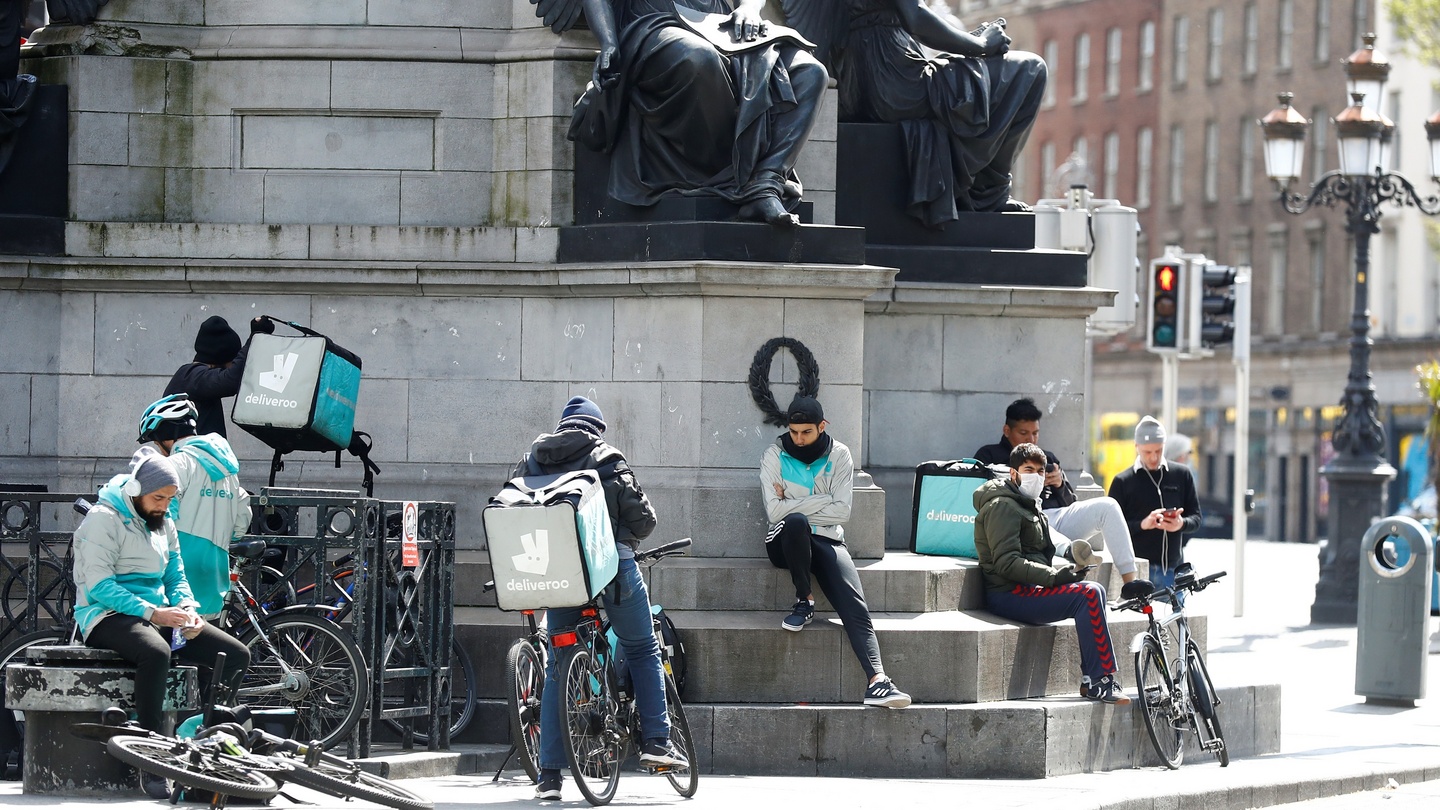
For low-paid workers whose employers in non-essential sectors decide to recklessly operate as normal, the pressure to compromise with one’s safety so as not to lose a day’s pay is significant.
Where Unite is organised, it will campaign for proper workplace-level policies in place that protect health and safety and ensure workers do not bear the brunt of disruptions to normal working. This also includes working in high temperatures, indoors or outdoors, with the example given in Unite’s recommendations of ‘climate leave’ being provided for in other jurisdictions.
Beyond the bosses, the administration on this island is responsible for legislating to ensure the standards Unite is fighting for in workplaces where it organises apply to all workers. Crucially, health and safety standards at work — and how they are implemented —should not be left to management; workers should be democratically allowed to control how they are implemented.