By Conor Payne
On 6 September, the far–right party Alternative for Germany (AFD) won a major victory in the regional elections in the east German state of Saxony-Anhalt. The AFD received just under 44% of the vote, an increase from 21% in the previous election, and won 39 out of 83 seats, leaving them just short of the overall majority needed to govern alone. It is unclear at the time of writing whether the AFD will come to power in Saxony-Anhalt or whether an extremely weak government based around the establishment parties will be formed.
Rise of AfD
This result comes at a time when the AfD is the largest party in the polls across Germany, with almost three in ten saying they plan to vote for them. It is a virulently far-right and racist outfit, riddled with open fascists and neo-Nazis. They campaign openly on the far-right slogan of ‘remigration’ – a plan for the ethnic cleansing of Europe. Their leader Alice Weidel (a former banker with Goldman Sachs and Allianz Global Investors) has spoken of “passport Germans”, by which she means that migrants and people of colour who are German citizens are not ‘really’ German.
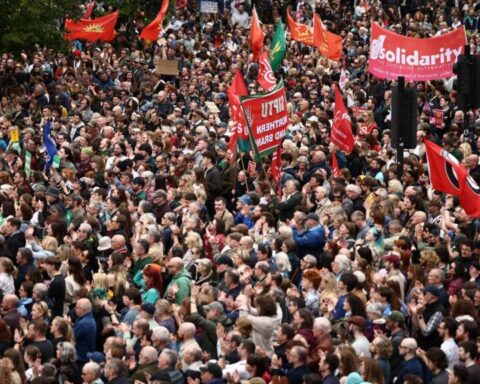
In 2023, leading AFD members and other far-right activists met secretly to discuss a plan for the mass deportation of migrants including asylum seekers, and those with residence permits and German citizenship. The exposure of this meeting in the media led to a massive outpouring of protest across Germany. Unsurprisingly, the AFD has received the enthusiastic backing of Elon Musk and of figures in the Trump administration such as JD Vance.
Establishment legitimises the far-right
German Chancellor Merz, whose Christian Democratic Union (CDU) suffered a huge defeat in the election, has expressed his horror at the AfD’s success. However, the reality is that he and large sections of the German establishment have been imitating the AfD’s rhetoric and policies. Merz’s government has increased border controls and escalated deportations. They have also fed the demonisation of muslims and migrants with their censorship and slander against the Palestine solidarity movement.
Far from cutting across the AFD’s support, this move to the right has bolstered them by legitimising their narrative. At the same time, Merz and his ‘social democratic’ partners are implementing severe austerity and attacks on social supports, while ramping up military spending. Support for the establishment parties is collapsing, opening the door wider for the AFD with its fake ‘anti-establishment’ posture. This is despite the fact that the AFD is a thoroughly Thatcherite party, which would go even further than the current government in attacks on the working class. The AFD has won particularly strong support in east Germany, partly benefiting from the strong sense of being left behind economically and socially.
Potential to defeat AfD
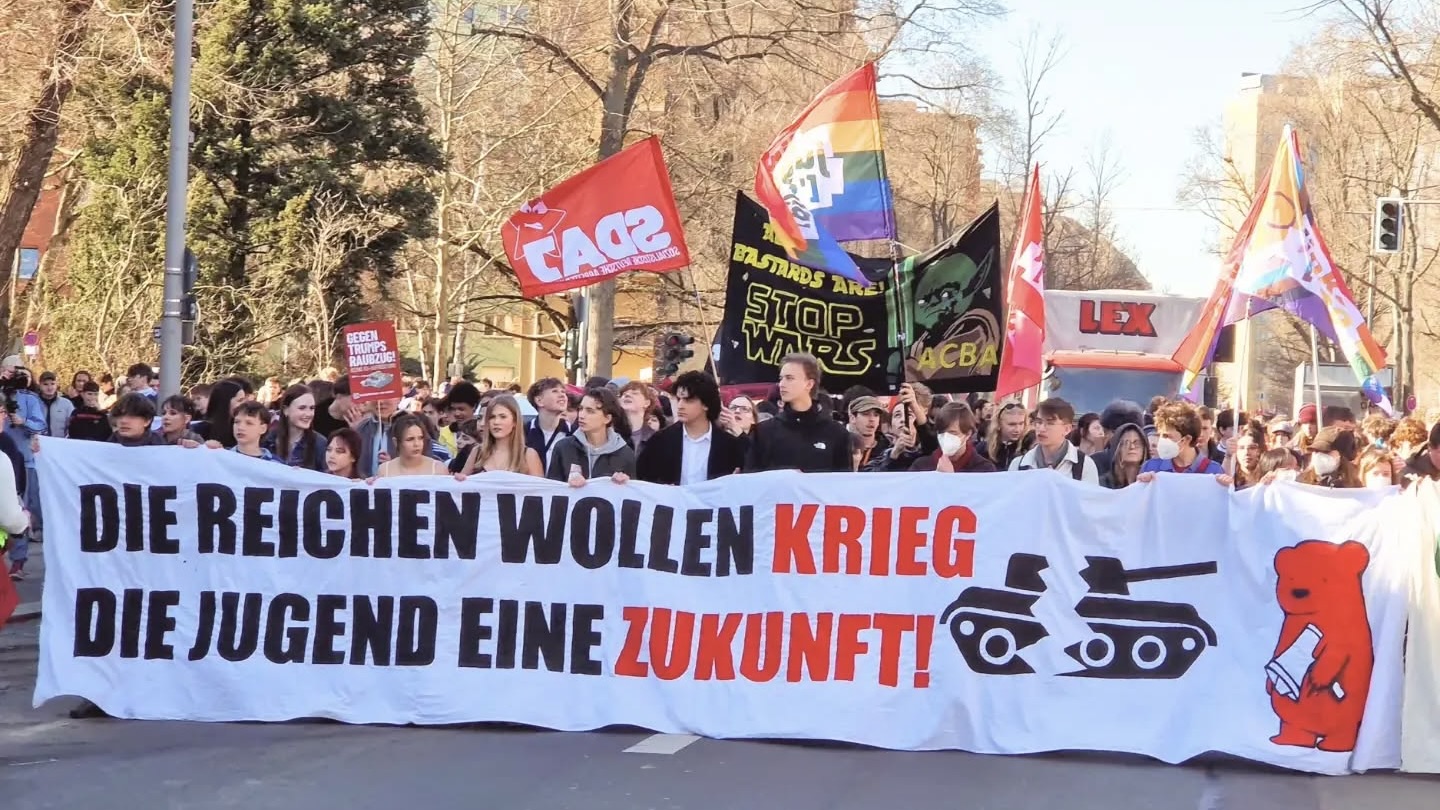
But there is still a strong potential to challenge the AFD. Despite these results, 59% still consider the AFD a right-wing extremist party. But the alternative cannot come from a discredited establishment that apes the AFD’s politics. The challenge to the far-right must come from the left, from the workers’ movement and from the movements against racism, misogyny, transphobia and in solidarity with Palestine.
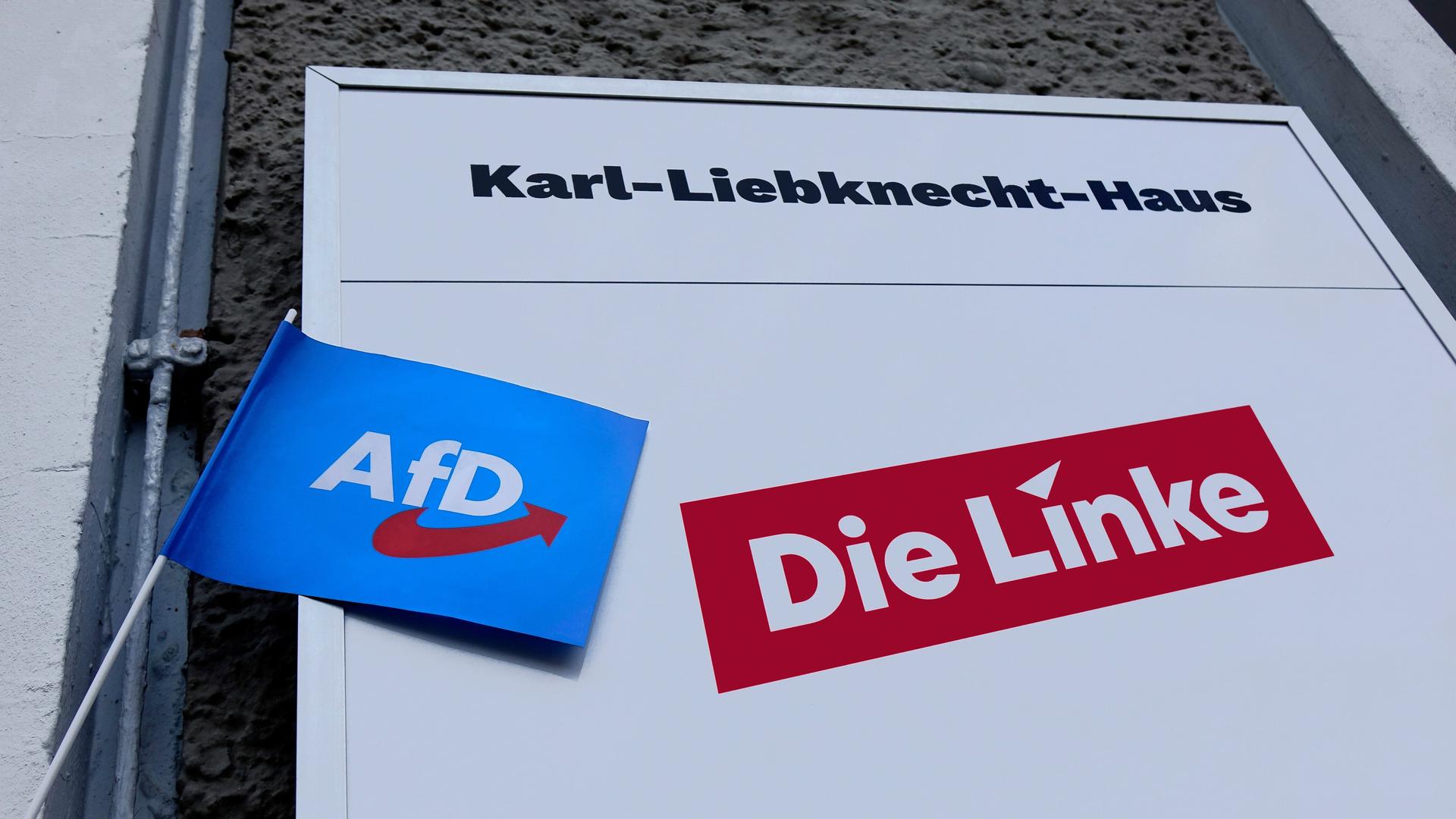
Die Linke, the German Left Party, made gains at the last national election and had an influx of new members in large part because of its strong opposition to the AFD. It has also made very important gains in Berlin, winning over one quarter of the vote. They stood on a programme that centred the question of affordability and the question of housing, calling for nationalisation of major real estate companies.
However, in the Saxony-Anhalt election, they actually lost some support. This underscores the importance of challenging the far right forthright, not giving an inch to their racist and bigoted ideas while also drawing a clear line between the socialist left and the establishment. Die Linke during the election and afterwards kept the door open to possibly supporting or cooperating with a government led by the hated Christian Democrats and risked presenting the idea of a ‘popular front’ of all other forces against the AFD.
Urgent necessity of socialist politics
While this can seem necessary in the face of the strength of the far-right, it actually strengthens them further by allowing them to paint the left as part of an establishment which wants to keep them out of power and preserve the status quo. Instead, what is needed is an independent stance against both the far-right and the traditional capitalist parties, firmly against racism and on the side of the oppressed and against militarism and attacks on workers and living standards. This should not just be linked to a parliamentary or electoral strategy but also to building movements from below on the streets, in communities and in workplaces.
This election in one German state is part of a much broader trend. The far-right currently looks poised to win the Presidential elections next year. The wave of fascistic authoritarianism across the world is being pushed by some of the world’s richest individuals and also now by the power of the US government. Capitalism is preparing a nightmare future of intensified oppression, surveillance, immiseration and war. We need to get organised now to fight this and to build a genuine socialist alternative which can offer a way out.