By Varun
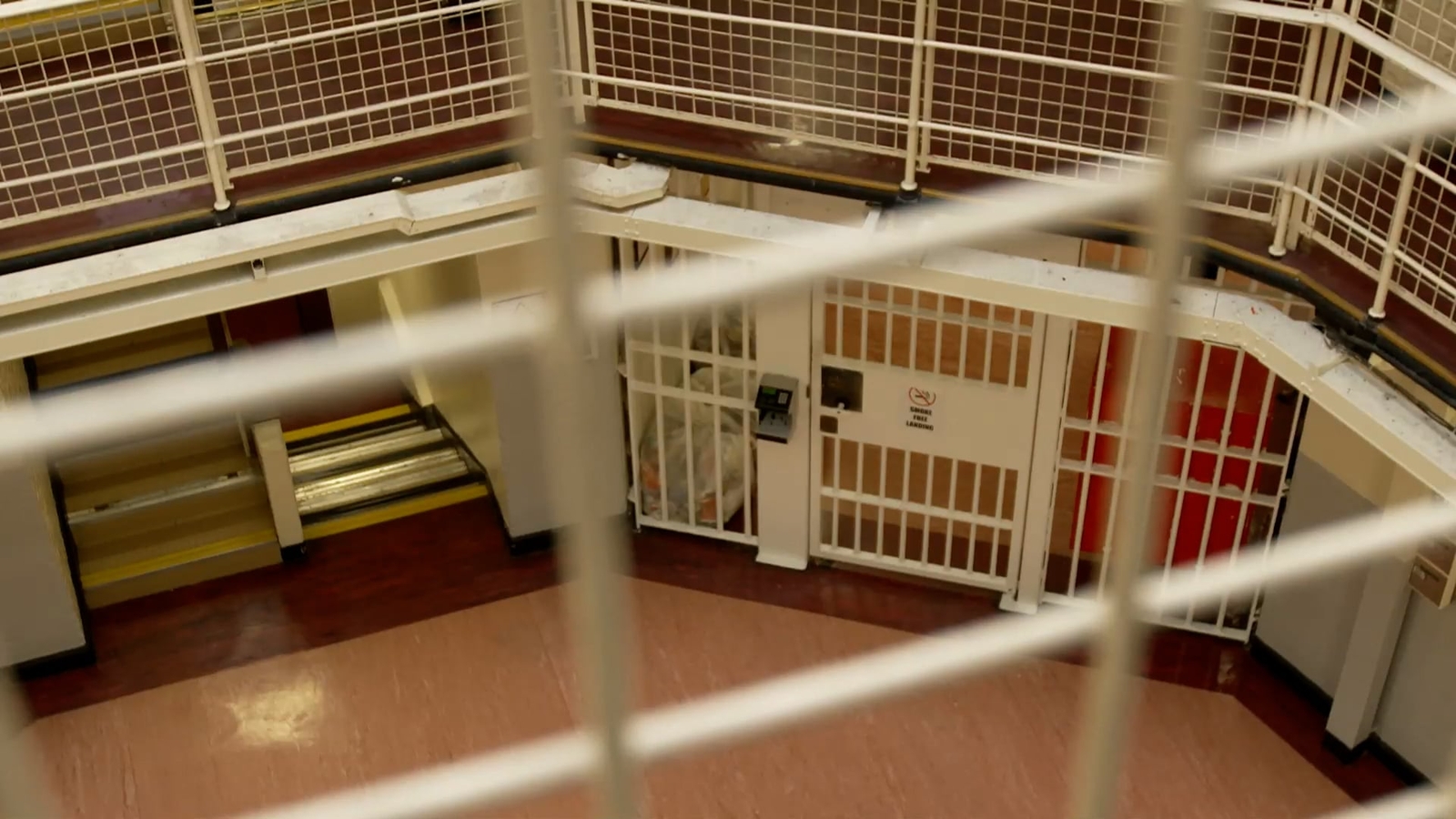
In a recently published report, the Council of Europe Anti-Torture Committee found Ireland’s prisons to be “degrading and unworthy.” Over 350 people are sleeping on mattresses on the floor in Irish prisons. According to Tony Power, the President of the Irish Prison Officers’ Association, the Midlands Prison in Co Laois is housing 90 people in 30 cells which were designed to accommodate one prisoner nearly two decades ago.
There are a total of 4,666 beds in the Irish prison system, but to maintain a safe working capacity, 300 beds are usually kept free. This is done to maintain a safe ratio of staff to people in custody. But due to courts imprisoning more people in recent years, fewer beds are kept free and more prisoners are forced to sleep on the floor.
Ireland’s prison system is at a state of collapse, but fixing it requires a complete revamp of how it is run, not expanding an already failed system. Around 5,600 people are imprisoned in the South, which is an almost 90% increase from the year 2000. This state incarcerates more than 100 people per 100,000 and has one of the highest re-offending rates in Europe. This has resulted in an overcrowding crisis in Irish prisons, and a systematic degradation of human rights of prisoners, with the state unable to meet their basic needs.
National scandal
In the report published by The Office of the Inspector of Prisons (OIP) for the year 2024, it highlighted that there were a record 31 deaths in prison custody in 2024, a 50% increase from 2023 and the highest number since OIP began its investigative role in 2012. This should be treated as a national scandal, but there has been little noise about this from both the political establishment and the media.
Worse, the Government’s plan to tackle this crisis is by making an already inhumane, punitive justice system more cruel. In Budget 2025, €53 million was allocated for the provision of 155 new prison spaces, as part of a five-year plan to provide an additional 1,100 new prison spaces by 2030. Spending a huge amount to expand a failed system must be opposed, particularly given the a major cost of living and housing crisis – both of which cause impoverishment that leads to increasing crime.
The notion that prison is the solution to people committing crime needs to be challenged. Once a prisoner leaves the prison, they often face huge obstacles that prevent them from integrating back into society. Homelessness, mental illness, and addiction problems can push people back into the prison system again.
In Ireland, most people who go to prison are either unemployed, have an addiction problem, and often come from communities with high levels of deprivation. Vulnerable minorities like Travellers make up around 8% of the male prison population, and 16% of the female prison population, despite being less than one percent of the national population. Newly released prisoners often face numerous social and political challenges once they are released, and often the huge waiting lists for housing and accessing mental health services puts them in a position where they are most likely to commit a crime again. Investing in more prisons, instead of services that assist those involved in crime to get out, is not the answer to this problem.
According to government data, in 2023, 78% of prisoners were imprisoned for non-violent offences. We must ask ourselves what we are aiming to achieve by locking up such people? The cost to host one prisoner is approximately €100,000 per year. This amount could be spent far better in ways that would prevent crime, by dealing with the root causes of it – not least poverty and deprivation.
Treating the symptom not the disease
The Government’s plan to build more prisons when our public services are crumbling should be seen as a political choice. Public finances, which could fund housing, mental health services, free childcare and public transport, are being used to expand an inhumane prison system.
Part of the reason why our prisons are overcrowded is due to new stricter asylum policies. Asylum seekers are now put in prisons for weeks prior to their deportation, and people who arrive in this country without a proper travel document are sent to prisons. The Irish Prison Service has now excluded immigration detainees from temporary release from prison as per the instructions of the Department of Justice.
The Government has recently stated that it doesn’t want Ireland to be seen as a favourable destination for asylum seekers and refugees. It introduced a series of proposals which make family reunification, citizenship waiting times, and asylum accommodation much harder for refugees and asylum seekers. In that sense, the rise in far-right nationalism in both Ireland and across the world is also fuelling our overcrowding crisis in prisons. Performative cruelty is being inflicted on asylum seekers and refugees to pander to the far right.
Rehabilitation, not punishment
For far too long, it has been accepted that prisons are the ultimate deterrent to crime. There is an urgent need to demand other radical solutions that rehabilitate people, instead of using a punitive system as a deterrent. Some measures that should be considered, include:
Investing in improving prison conditions: Cease building new prisons and improve the conditions of the already existing prisons. Investing in more prisons isn’t going to solve the overcrowding crisis because the prison population is increasing at a rate in which new prisons still wouldn’t make up for the overcrowding crisis.
Reverse austerity: The relationship between social and economic inequality and rates of violence within society needs to be addressed. Make communities safer by tackling inequality. Austerity ravaged community development and youth provision between 2008 and 2015, and it hasn’t recovered.
Across Ireland, urban, suburban, rural, small-town and village communities feel forgotten about and vulnerable to crime. Essential community services, such as post offices, community centres and local shops should be supported to keep open. They are crucial for reversing the isolation and feelings of insecurity of people who are living alone, or in under-resourced or remote areas.
Policy makers and politicians need to recognise the complete dearth of recovery support in rural areas, towns and economically oppressed urban areas. We should tackle addiction as a public health issue rather than a criminal justice issue.
Ultimately, prisons are part of the repressive apparatus of the capitalist state. They supposedly exist as a response to crime, but crime that comes from poverty is crime that comes from a capitalist system that allows poverty to exist in a world where the potential exists to meet everyone’s needs. Without tackling capitalism, we won’t ever tackle the root cause of most crime.