By Varun
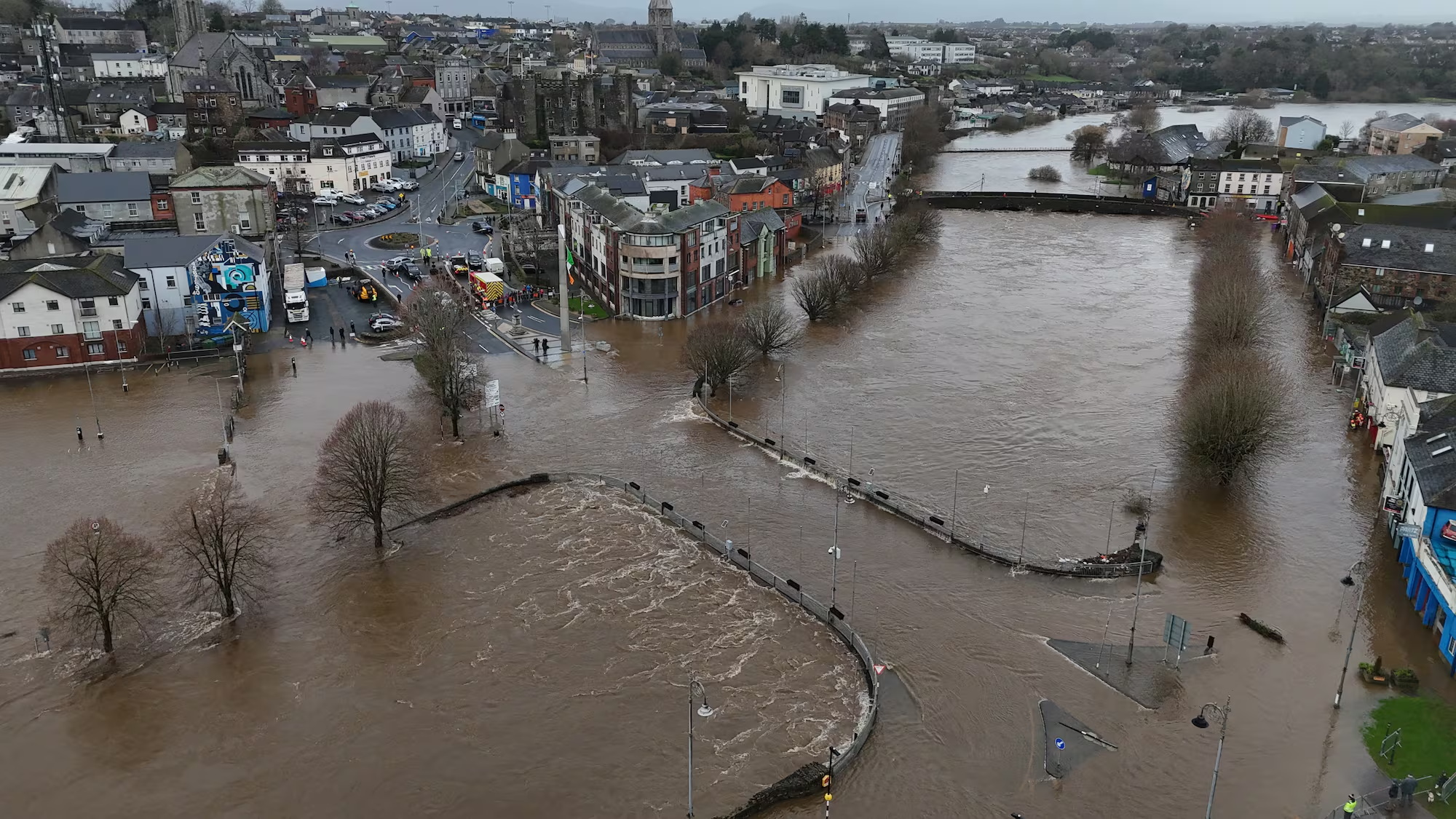
After a summer of heatwaves, droughts, wildfires, and a record number of excess deaths across Europe (The Irish government has failed to record data on excess deaths in Ireland), many of us in progressive movements would feel vindicated in a cruel way that our worst predictions about climate change are coming true and the capitalist class and their far-right footsoldiers will finally stop engaging in climate scepticism or outright denial. But it would be naive to expect that denial will only get worse.
Imperialist crisis is opportunity
When Donald Trump decided to launch an imperialist war against Iran, which spiked energy prices across the globe, there were massive fuel protests across Ireland over the rise in fuel prices, but instead of questioning the government’s failure to properly invest in renewable energy, right-wing TD Ken O’Flynn advocated reversing the 2021 ban on offshore oil and gas exploration[1] as a solution to deal with the rising fuel crisis. This is the modus operandi of the capitalist class and their right-wing stooges in government. As seen during the COVID-19 pandemic, the capitalist class uses every crisis (that they played a huge role in creating) to restructure, consolidate power, and extract even higher profits.
According to a study conducted by the Environmental Protection Agency (EPA) in 2021, 96% of the people in Ireland believe climate change is happening while only 2% deny it.[2] This poses a huge challenge for the far-right here; they can’t engage in outright denial like the Trump administration in the US, so the likes of Independent Ireland and Aontú engage in “Climate Delayism”. Proponents of climate delayism acknowledge the existence of climate change but justify inaction or downplay the severity of climate change, often at the behest of big businesses.
More fossil fuels for the fire
Ireland is one of the most fossil-reliant countries in the EU. In 2025, only 15.9% of our energy needs were from renewable sources; fossil fuels still account for 79%. An estimated 120,000 barrels of oil are required every day, and only 75,000 barrels are refined per day by Whitegate, Ireland’s only oil refinery. Only 40% of our diesel is refined by Whitegate, and this shortage is made up by imports from the UK.
Before the government introduced a legislation banning offshore drilling for oil and gas in 2021, out of 161 wells that were drilled, only four of them had commercial gas in them and none had oil. This is a poor success rate compared to other countries, but very profitable for private companies who would get huge government contracts for drilling. More indigenous offshore drilling won’t make up the shortfall for our energy needs, and it won’t likely reduce prices either. Oil prices are set by global events, and the price at fuel stations is set by taxation. Having offshore production would have no effect on fuel prices.[3] Meanwhile, the proliferation of data centres has pushed energy prices up for ordinary people – to the tune of about €260 between 2021 and 2023- and increased reliance on fossil fuels, as these centres soak up any increase in renewable energy capacity.
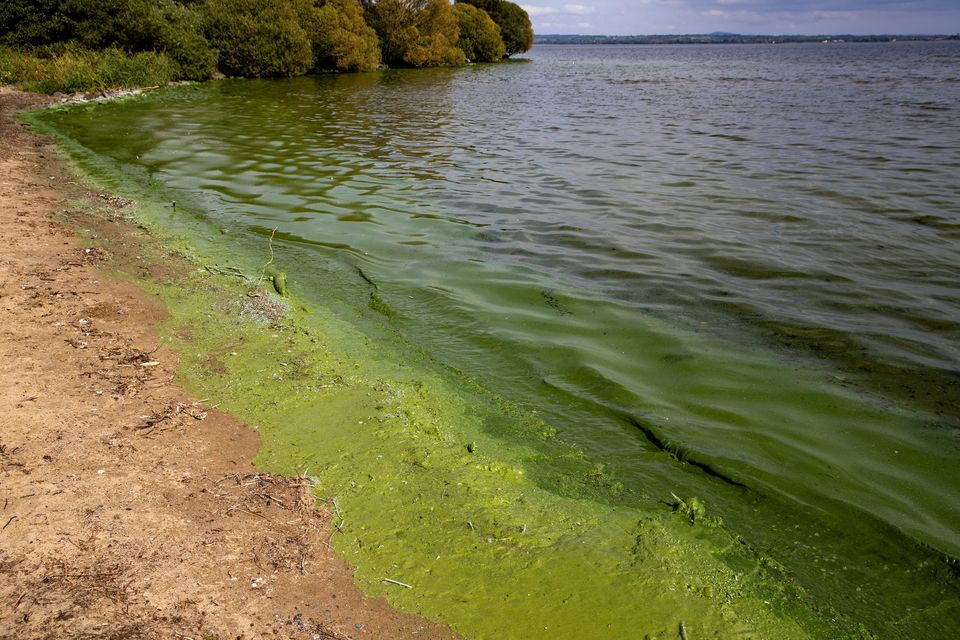
The answer to a crisis caused by fossil fuel reliance is to transition to a zero-carbon economy. The government has promised to reduce energy emissions by 51% before 2031, but that seems impossible at the current standard. There was only a decrease of 2.20% in energy emissions last year, but we need four times that to meet the required target.[5] Emissions won’t fall significantly if the government continues not to invest in public transportation and the renewable energy sector, allows data centres to operate with impunity, ends the privatisation of energy companies, and subsidises big agribusinesses that pollute our rivers. However, reducing emissions at home doesn’t mean outsourcing emission-intensive production to countries with lower wages and weaker social and environmental standards. “Green Imperialism” policies should be strictly opposed.
Democratic socialist planning
The government must reverse their planned increase in public transport costs; we need free – and fast, frequent and reliable – public transport to reduce transport emissions and ease the cost of living burden on ordinary people. We need a major rollout of a scheme to retrofit all homes and public buildings in the state and for a major increase in renewable energy. We need a just transition that protects the livelihoods of workers and small farmers and ends the dominance of dairy and beef and moves to sustainable forms of agriculture, afforestation and rewilding. We need a total moratorium on data centres and to reduce the number that currently exist and guzzle water and electricity.
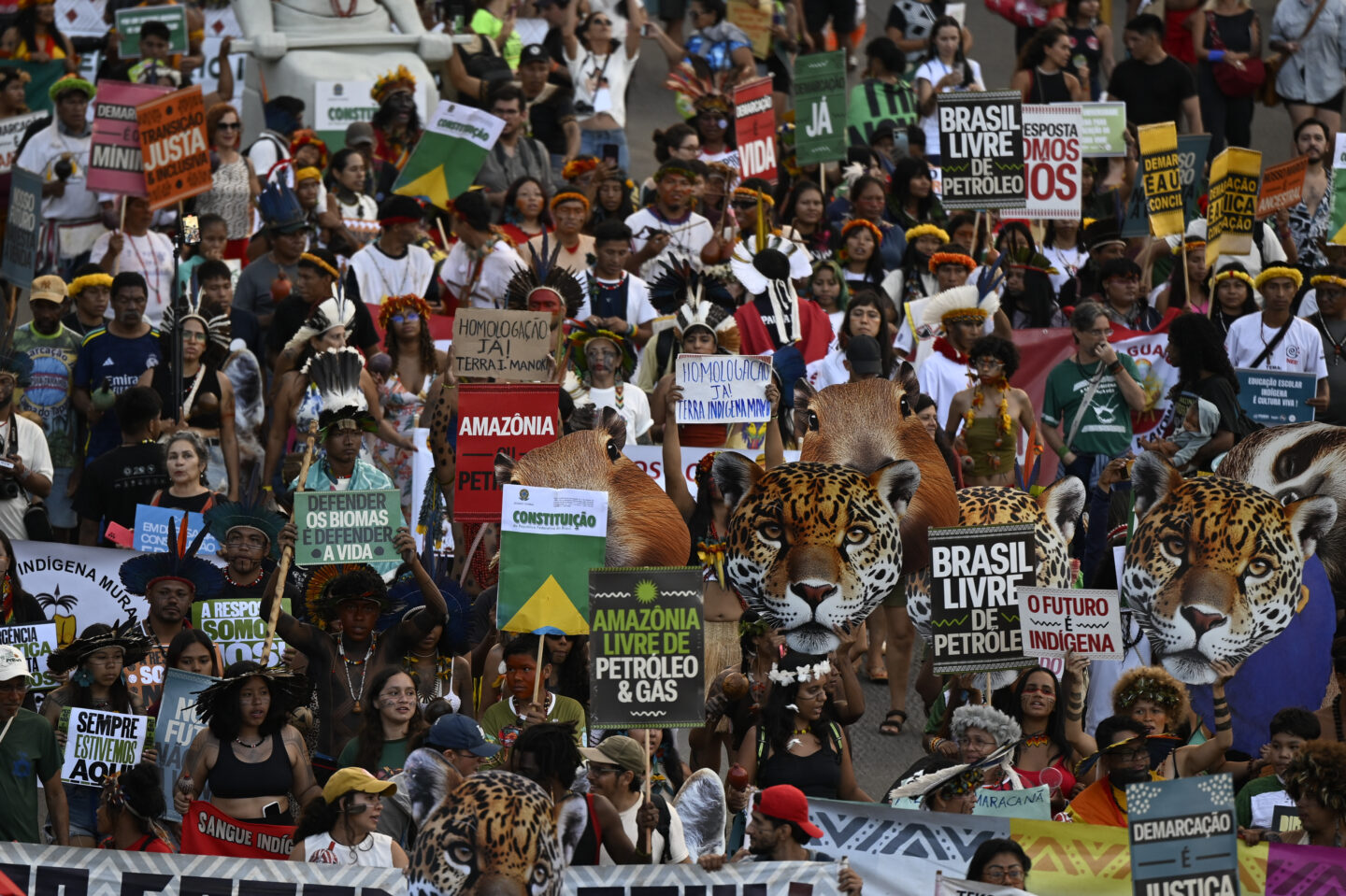
Climate catastrophe is a systemic and global problem; it therefore requires an international break with the system of capitalism. A socialist alternative means taking the major sectors of the economy, such as those in agri-business, big tech and the financial institutions that fund them, into public ownership, out of the hands of the fascistic billionaires, tech bros and bosses that are killing our planet. Democratic planning, with power in the hands of the working class and oppressed majority, can mean we decide what is actually needed and the destructive, wasteful production we don’t—we can meet human needs and guarantee this planet for future generations.